Watermelon facts & trivia
Science, history, and regional context — quick reads for curious shoppers and students.
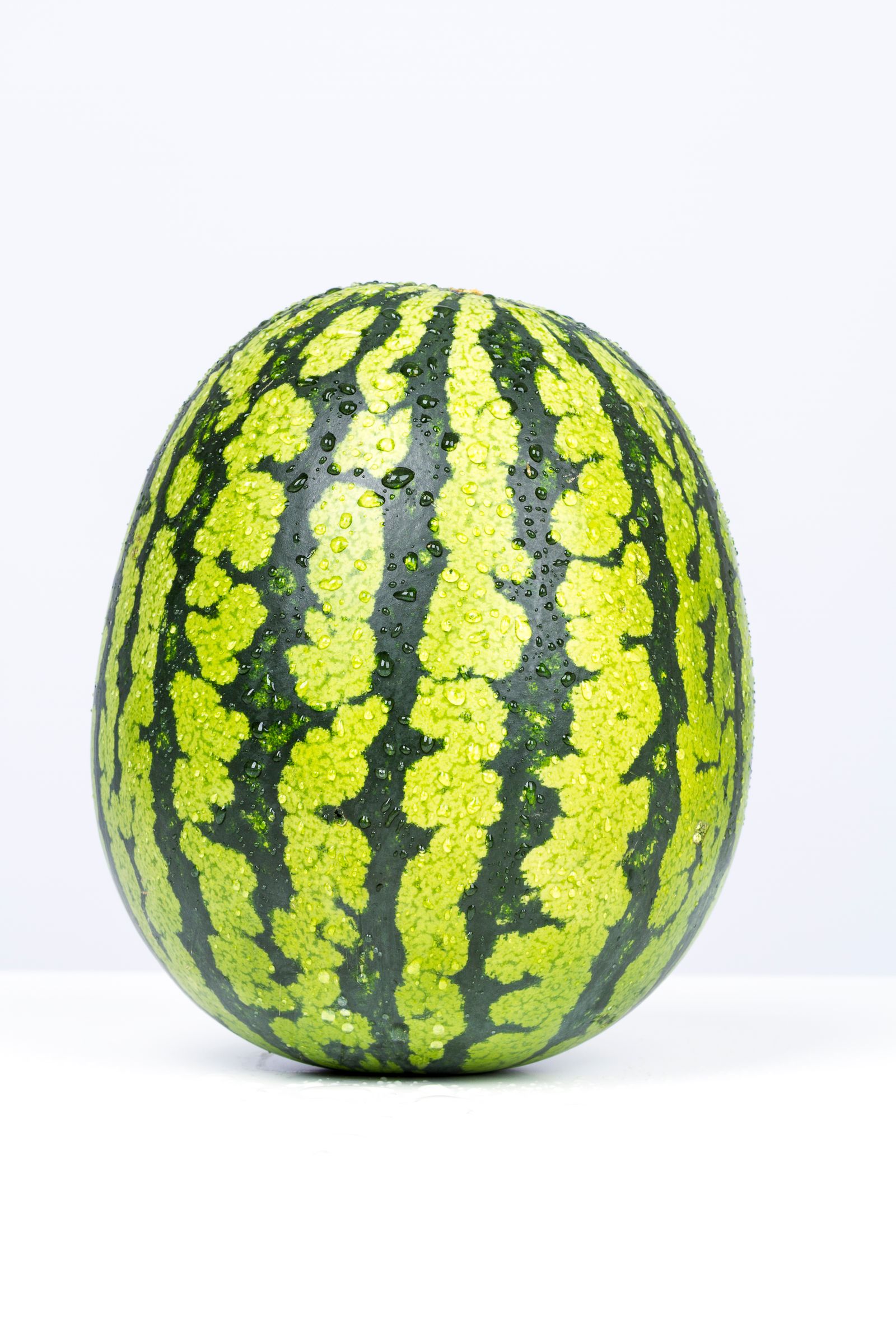
Did you know?
- 92% water
- Watermelon is one of the most hydrating common fruits — ideal for hot Columbia Basin summers.
- Vegetable botanically
- Watermelon (Citrullus lanatus) is botanically a pepo — a berry in the cucumber family. Legally and culinarily, it is treated as a fruit.
- Lycopene leader
- Red flesh varieties can exceed tomatoes in lycopene per serving when fully ripe.
- Every part edible
- Rind can be pickled or stir-fried in some cuisines; seeds are roasted as snacks in many countries.
- Hermiston timing
- Northwest harvest often peaks when California and southern supplies fade — Hermiston fills a seasonal gap in PNW grocery aisles.
- Acres vs onions
- Watermelon covers roughly 750 acres near Hermiston — far less than onions or potatoes, but far more famous in consumer branding.
- Seedless science
- Triploid seedless melons are sterile hybrids — they need seeded varieties planted nearby as pollinizers in the field.
- World record scale
- Competition giant watermelons exceed 350 lbs; commercial Hermiston field melons typically run 18–30 lbs for shipping efficiency.
Hermiston-specific context
Watermelons were regionally marketed from the Umatilla Basin by the 1910s. Mayor Frank Harkenrider's 1960s watermelon deliveries to Portland helped cement the city's identity — today the water tower on Highway 395 still displays a painted slice. Read the full story on our history page.
For teachers and students
Oregon agriculture units can tie Hermiston melons to irrigation history (Columbia Basin reclamation), climate geography (rain shadow east of the Cascades), and nutrition science (lycopene, hydration). OSU Extension publishes Pacific Northwest watermelon production guides for deeper classroom use.
Related: How watermelons grow · Why Hermiston melons are sweet · Eastern Oregon overview